From kindergarten through high school, math gets taught as a long sequence of topics. Each one is introduced, tested, and set aside. After years of this, students look like they've covered hundreds of separate concepts. Most of those concepts are the same small set of ideas in different packaging.
The SAT® isn't checking whether your student has seen the material. It's checking whether they understand it well enough to use it when a question doesn't look like what they've practiced. That's a different skill, and it's one that can be built.
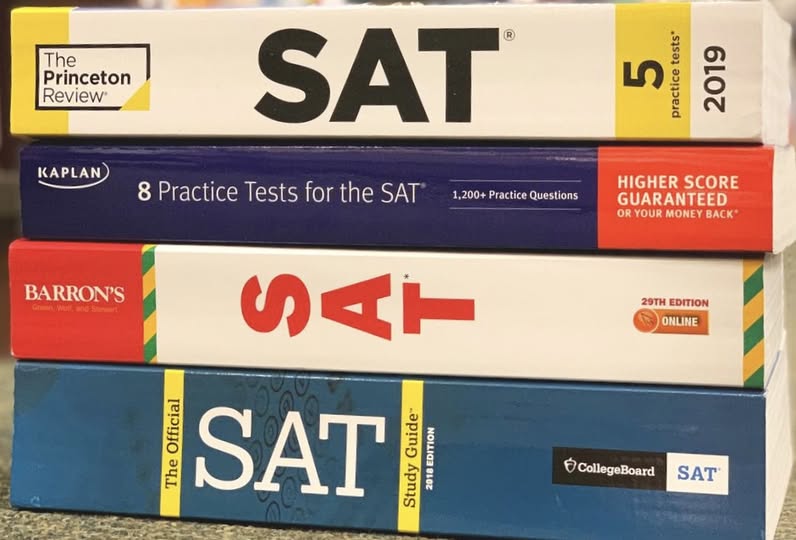
There are about ten mathematical ideas at the core of what the SAT® tests. Students who understand them find the test manageable, even predictable. Students trained to follow procedures struggle when the same idea shows up in a form they haven't seen before. It's a fragile approach to math, and it makes the test much harder than it has to be.
When a student can see those ideas clearly enough to recognize them in an unfamiliar problem, the SAT® stops being unpredictable. The score improvement that follows isn't small or random. That's where I can help.